Project facts
Project: Participating dairy farms in carbon farming pilot
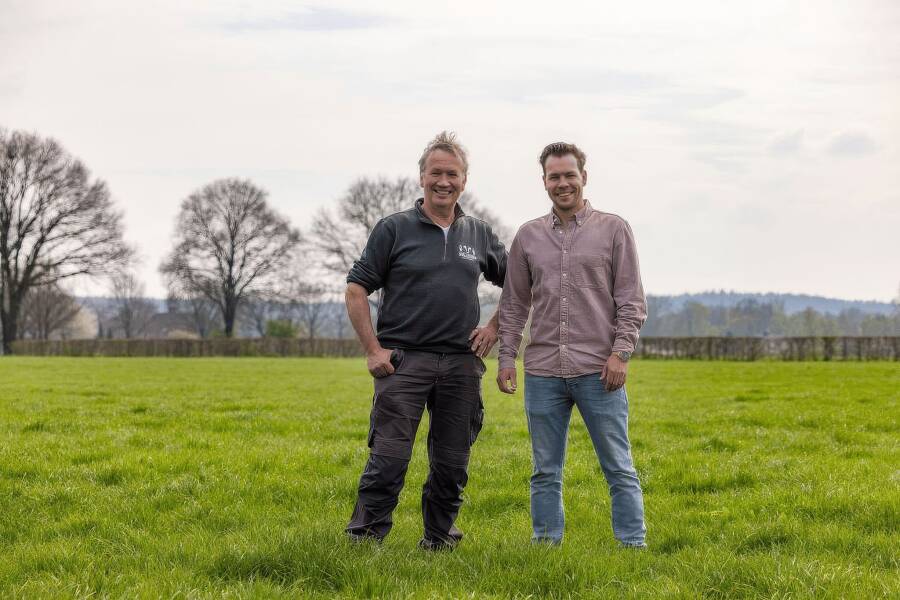
Participating farmers: 3
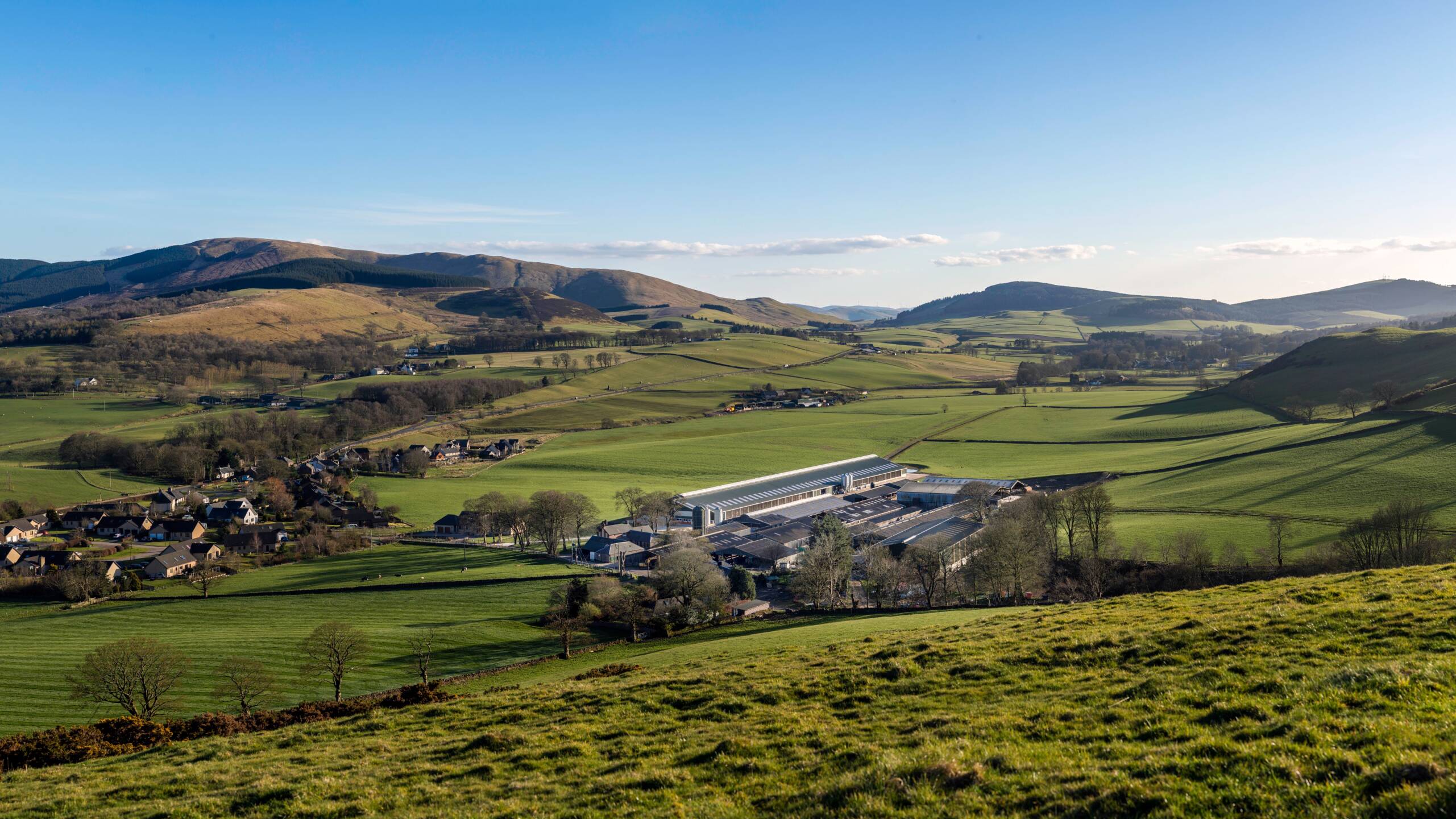
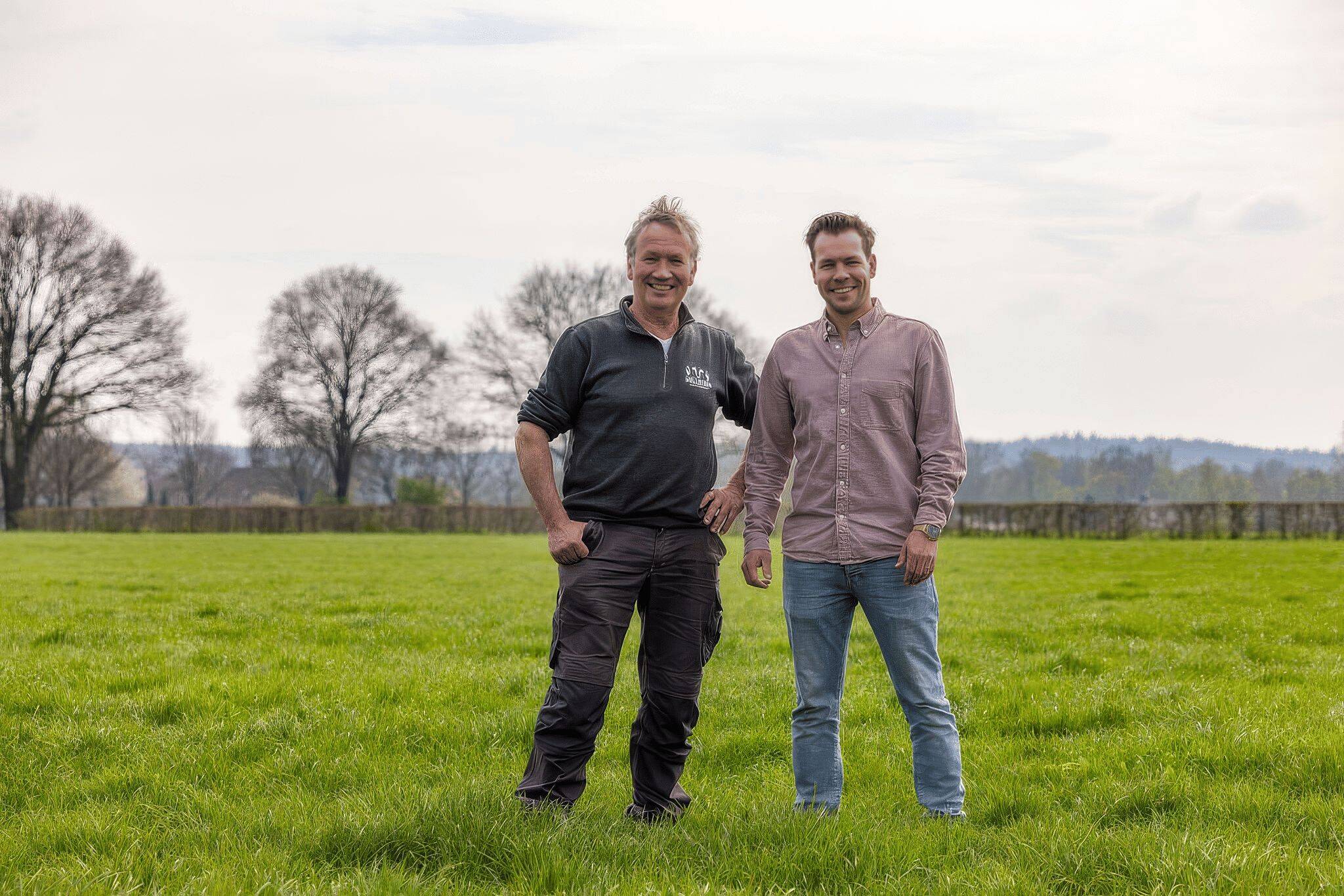
Location: South of the Netherlands
Collaboration: ZLTO & Lely
ZLTO represents 11,500 farmers and growers in the southern Netherlands and supports a future-proof agricultural sector with a strong long-term perspective for farmers and horticultural entrepreneurs.
Judith: 'Carbon farming is not a goal in itself for Lely. It is a practical route towards more sustainable and future‑proof dairy farming.
By supporting measures that improve soil health, biodiversity and resilience, and by rewarding sustainable choices, carbon farming can create value for farmers. This pilot helps us explore how that can work in daily farm practice.'
How does this pilot fit Lely’s vision for future farming?
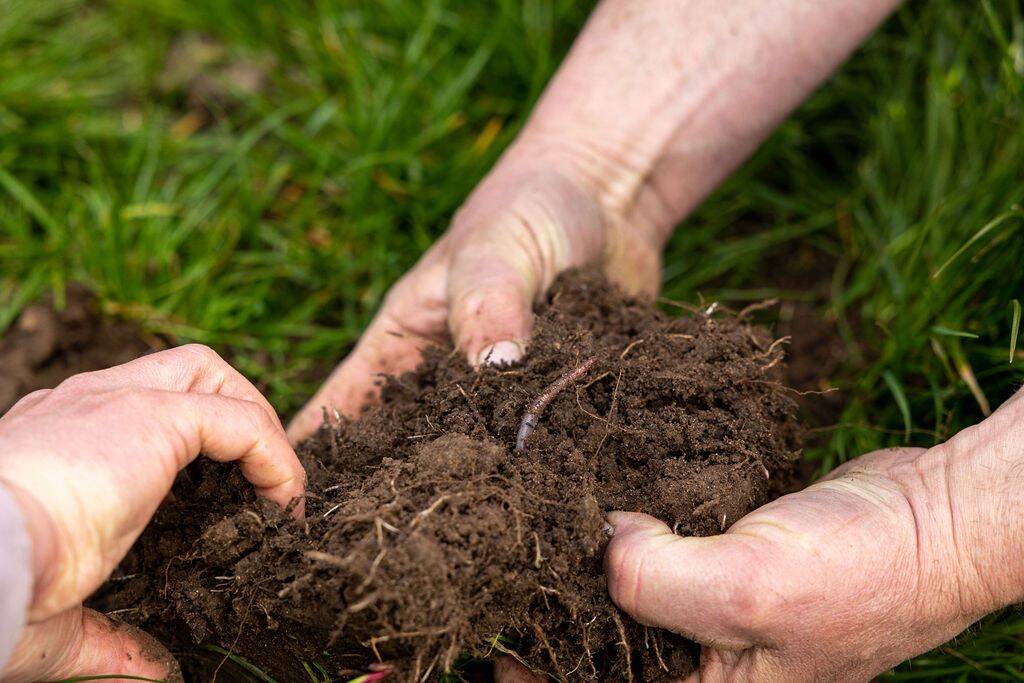
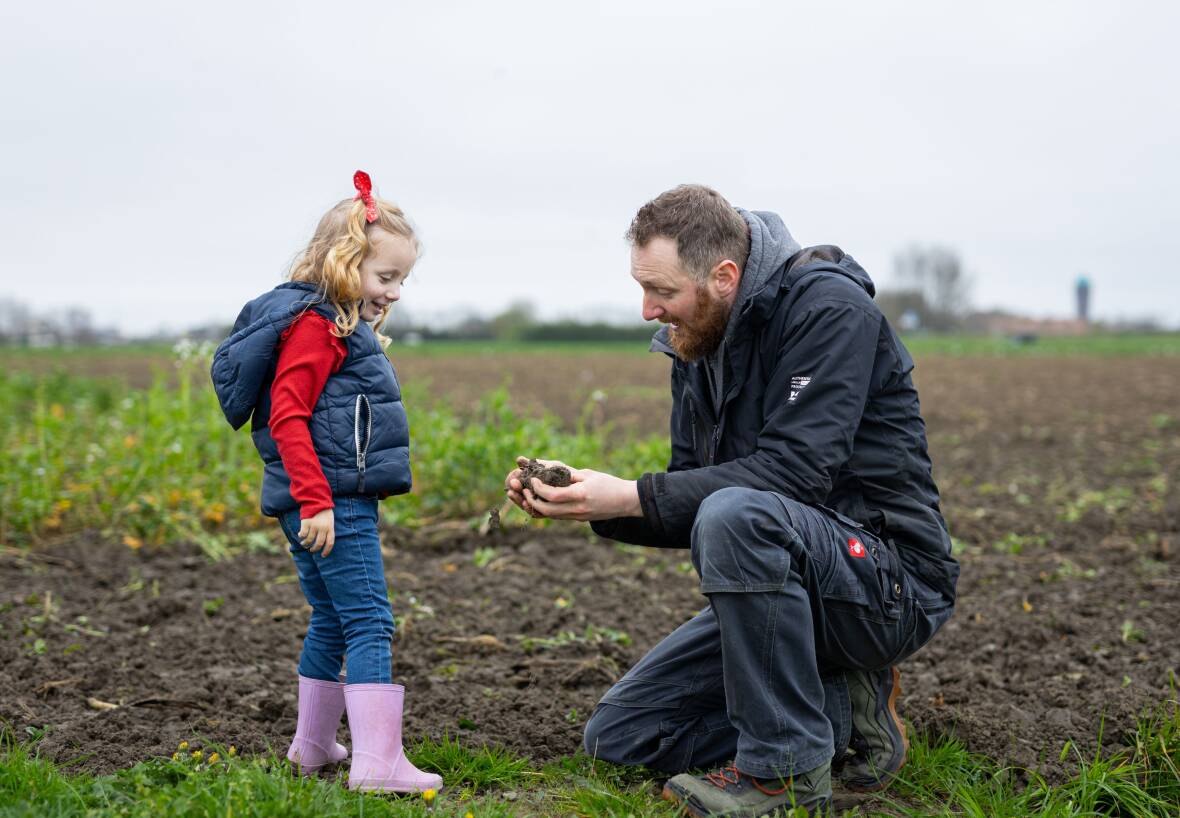
Marjon: 'Farmers notice that soil structure improves quite quickly. The soil becomes easier to work and better able to absorb heavy rainfall.
Cover crops help retain moisture in spring, which is valuable in dry periods. Farmers also see more soil life, such as earthworms, because the soil is disturbed less.
These experiences show how closely soil management, water retention and biodiversity are connected.'
What are farmers learning about soil, water and biodiversity?
Marjon: 'Weather plays a major role. After harvest, it is not always possible to sow cover crops immediately, and in spring it can be challenging to incorporate them without ploughing.
Choosing the right cover crop is crucial and depends on timing and the following crop. Reduced tillage adds complexity, especially when farmers work with different techniques and machinery.
Compost and solid manure are also more expensive than slurry or artificial fertiliser, so costs remain an important challenge.'
Which challenges do farmers face when applying carbon farming?
Judith: 'ZLTO brings practical experience in carbon farming and a strong farmer network. They already have the knowledge and methodology to set up a pilot.
For Lely, this collaboration helps us learn how carbon farming can support farmers in taking steps, and what is needed to make this approach practical, valuable and scalable for the future.'
Why did Lely decide to team up with ZLTO in this pilot?
Marjon: 'ZLTO supports farmers in creating concrete plans for carbon sequestration, using a tool developed by Wageningen University. It clearly shows which measures increase carbon storage and why.
The farmers in the Lely pilot also participate in the European Climate Farm Demo programme. Within a regional group of climate‑conscious farmers, they exchange experiences and take part in demonstration activities.
Being connected to this wider network helps farmers learn from others and better understand the impact of their own choices.'
How did the pilot help farmers understand carbon sequestration better?
What motivated farmers to join this carbon farming pilot?
Marjon: 'Sustainable soil management is the main driver. Measures such as cover crops, reduced tillage and adding organic matter improve soil fertility and resilience. Farmers notice those benefits directly in their own operations.
What these farmers share is a long‑term vision. They want soils that are better able to cope with drought and heavy rainfall. The pilot supports this with guidance and knowledge development.
Carbon farming also requires change and investment, while results often only become visible after several years. The financial reward for carbon sequestration offered by Lely helps farmers take these steps now. And many value that this project allows them to show they actively contribute to tackling climate change.'
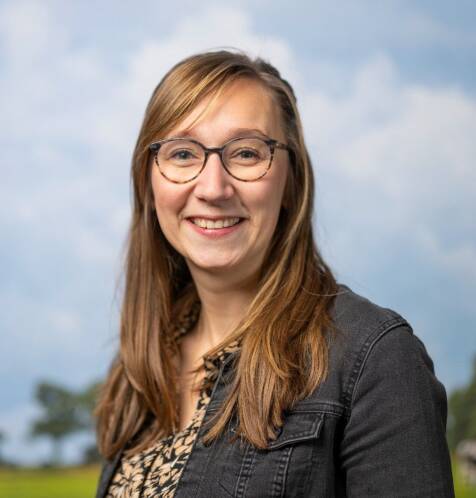
Judith Vollering - Janmaat
Sustainability Farm Model
Specialist
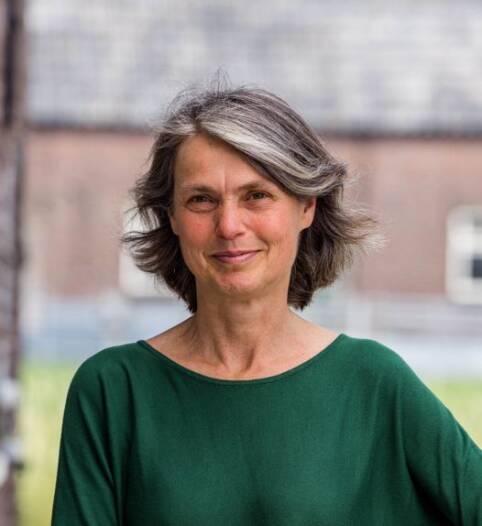
Marjon Krol
Project leader climate and biodiversity, ZLTO
HAPPY FARMER
In the south of the Netherlands, carbon farming brings farmers, advisors and innovators together. In this Happy Farmer conversation, we speak with Judith Vollering - Janmaat, Sustainability Farm Model Specialist at Lely, and Marjon Krol, project leader climate and biodiversity at ZLTO, about what motivates farmers to join a carbon farming pilot and what they are learning along the way.
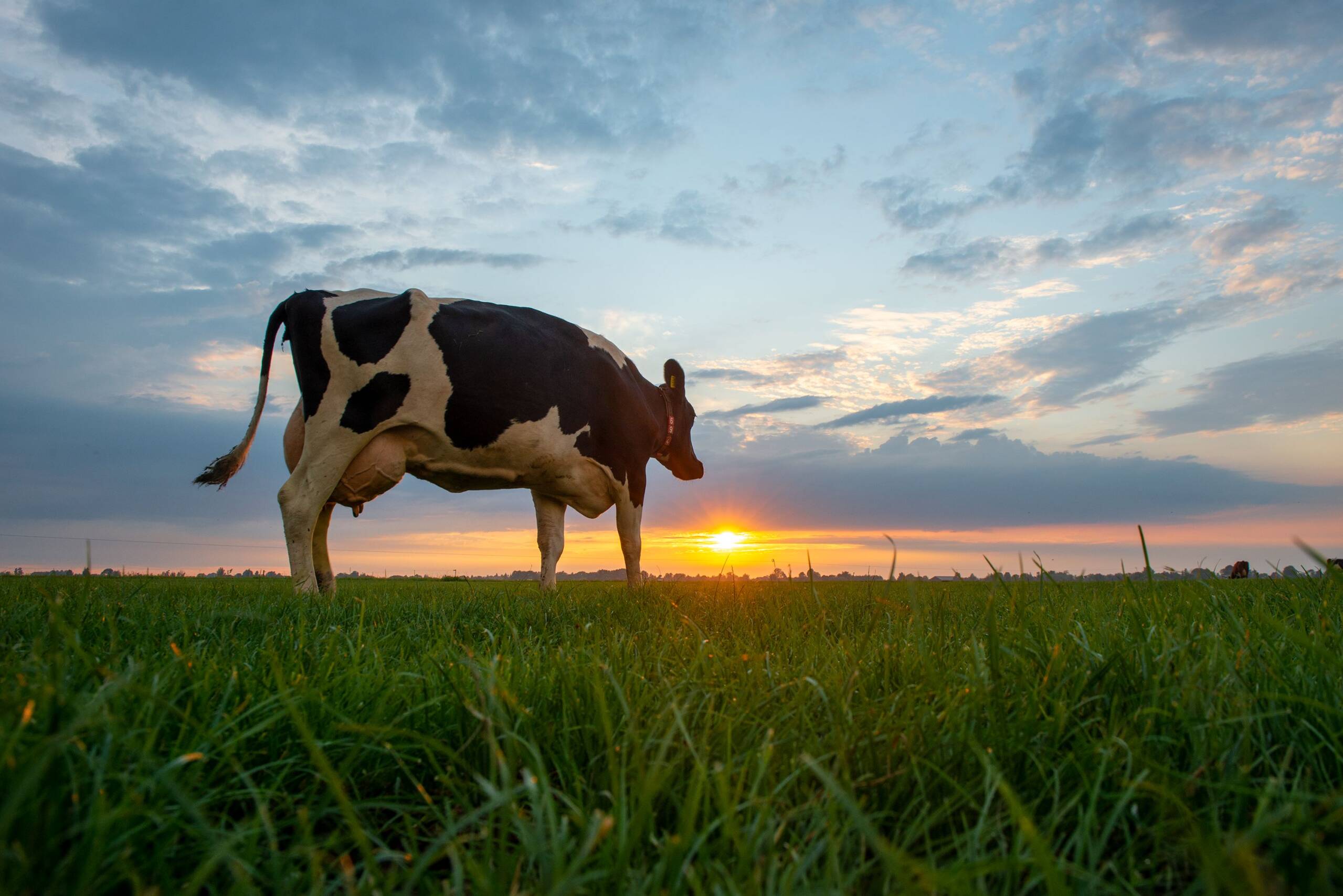
The pilot, initiated by ZLTO and Lely, rewards farmers for reducing emissions by storing carbon in their soil through practices such as improving grassland management. Participating companies help fund the programme by purchasing carbon certificates linked to the farmers’ sustainability efforts.

Judith: 'Carbon farming is not a goal in itself for Lely. It is a practical route towards more sustainable and future‑proof dairy farming.
By supporting measures that improve soil health, biodiversity and resilience, and by rewarding sustainable choices, carbon farming can create value for farmers. This pilot helps us explore how that can work in daily farm practice.'
How does this pilot fit Lely’s vision for future farming?
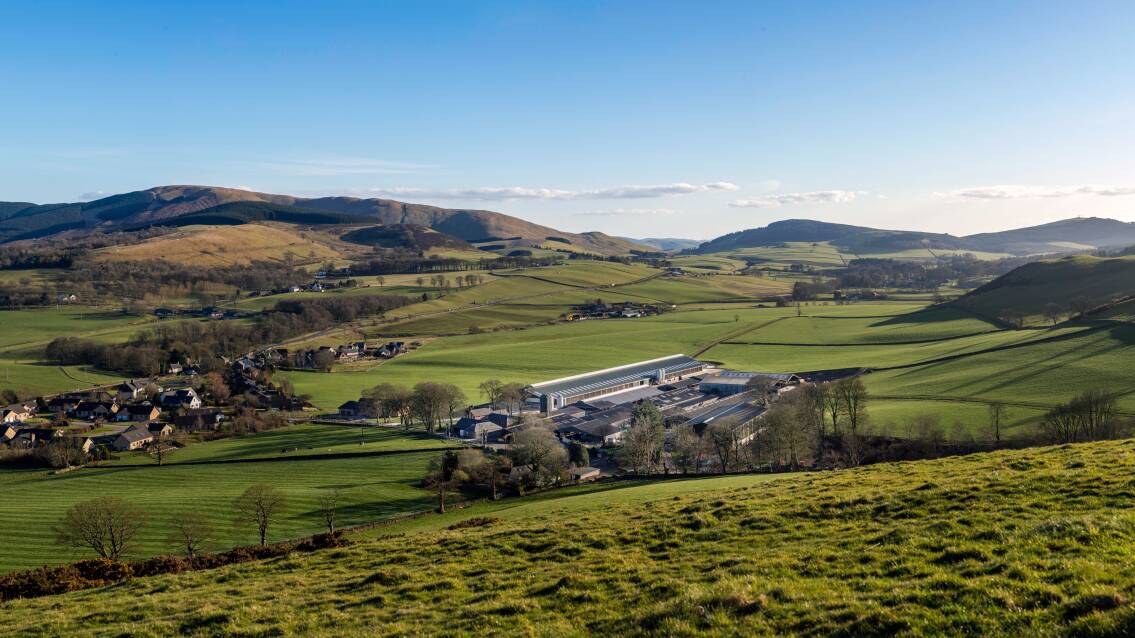
Marjon: 'Weather plays a major role. After harvest, it is not always possible to sow cover crops immediately, and in spring it can be challenging to incorporate them without ploughing.
Choosing the right cover crop is crucial and depends on timing and the following crop. Reduced tillage adds complexity, especially when farmers work with different techniques and machinery.
Compost and solid manure are also more expensive than slurry or artificial fertiliser, so costs remain an important challenge.'
Which challenges do farmers face when applying carbon farming?
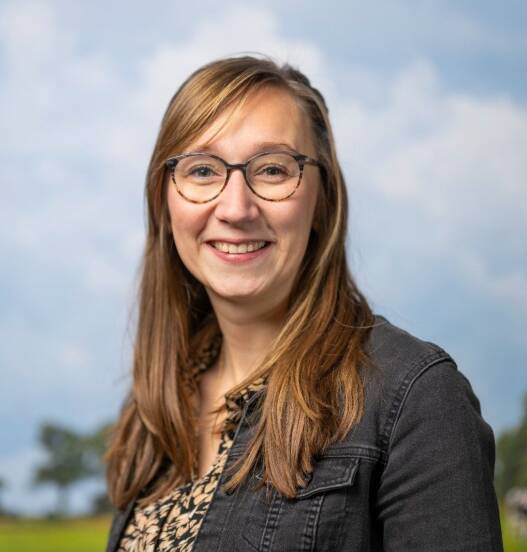
Judith Vollering - Janmaat
Sustainability Farm Model
Specialist
Judith: 'ZLTO brings practical experience in carbon farming and a strong farmer network. They already have the knowledge and methodology to set up a pilot.
For Lely, this collaboration helps us learn how carbon farming can support farmers in taking steps, and what is needed to make this approach practical, valuable and scalable for the future.'
Why did Lely decide to team up with ZLTO in this pilot?
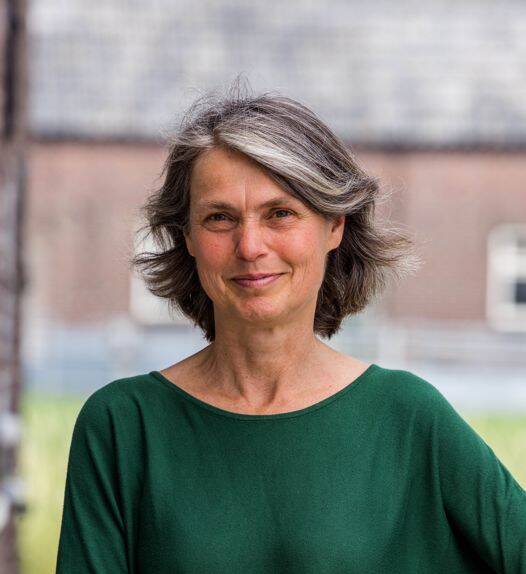
Marjon Krol
Project leader climate and biodiversity, ZLTO
What motivated farmers to join this carbon farming pilot?
Marjon: 'Sustainable soil management is the main driver. Measures such as cover crops, reduced tillage and adding organic matter improve soil fertility and resilience. Farmers notice those benefits directly in their own operations.
What these farmers share is a long‑term vision. They want soils that are better able to cope with drought and heavy rainfall. The pilot supports this with guidance and knowledge development.
Carbon farming also requires change and investment, while results often only become visible after several years. The financial reward for carbon sequestration offered by Lely helps farmers take these steps now. And many value that this project allows them to show they actively contribute to tackling climate change.'
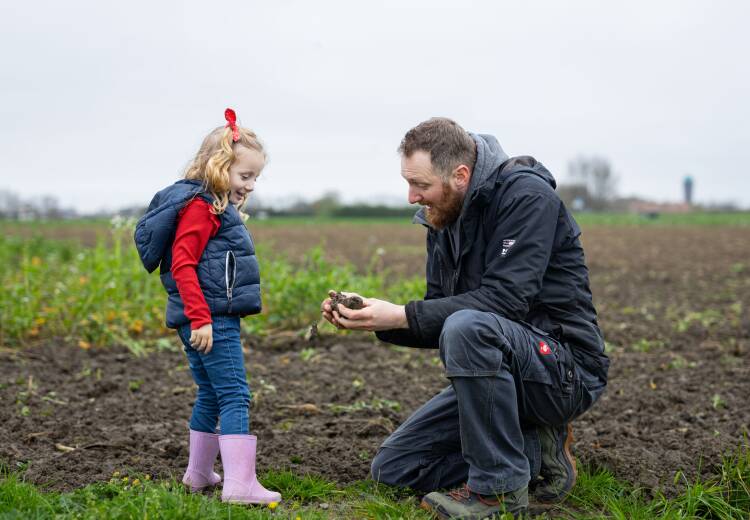
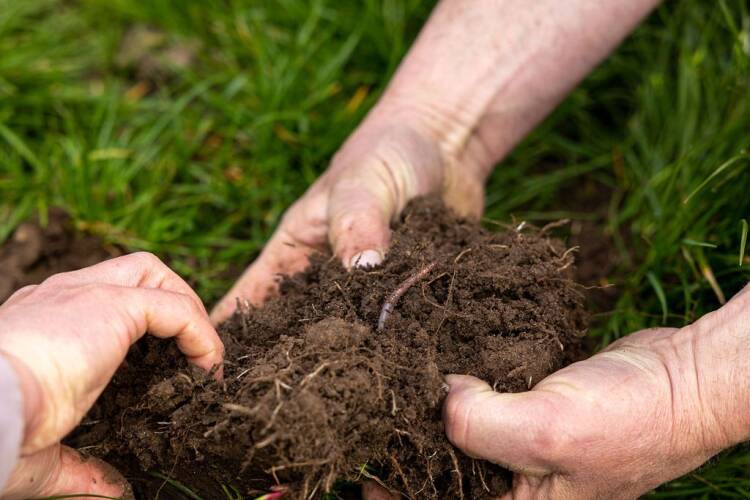
Marjon: 'Farmers notice that soil structure improves quite quickly. The soil becomes easier to work and better able to absorb heavy rainfall.
Cover crops help retain moisture in spring, which is valuable in dry periods. Farmers also see more soil life, such as earthworms, because the soil is disturbed less.
These experiences show how closely soil management, water retention and biodiversity are connected.'
What are farmers learning about soil, water and biodiversity?
Marjon: 'ZLTO supports farmers in creating concrete plans for carbon sequestration, using a tool developed by Wageningen University. It clearly shows which measures increase carbon storage and why.
The farmers in the Lely pilot also participate in the European Climate Farm Demo programme. Within a regional group of climate‑conscious farmers, they exchange experiences and take part in demonstration activities.
Being connected to this wider network helps farmers learn from others and better understand the impact of their own choices.'
How did the pilot help farmers understand carbon sequestration better?
ZLTO represents 11,500 farmers and growers in the southern Netherlands and supports a future-proof agricultural sector with a strong long-term perspective for farmers and horticultural entrepreneurs.
Farm facts
Project: Participating dairy farms in carbon farming pilot
Participating farmers: 3
Location: South of the Netherlands
Collaboration: ZLTO & Lely
In the south of the Netherlands, carbon farming brings farmers, advisors and innovators together. In this Happy Farmer conversation, we speak with Judith Vollering - Janmaat, Sustainability Farm Model Specialist at Lely, and Marjon Krol, project leader climate and biodiversity at ZLTO, about what motivates farmers to join a carbon farming pilot and what they are learning along the way.
The pilot, initiated by ZLTO and Lely, rewards farmers for reducing emissions by storing carbon in their soil through practices such as improving grassland management. Participating companies help fund the programme by purchasing carbon certificates linked to the farmers’ sustainability efforts.
HAPPY FARMER