

+
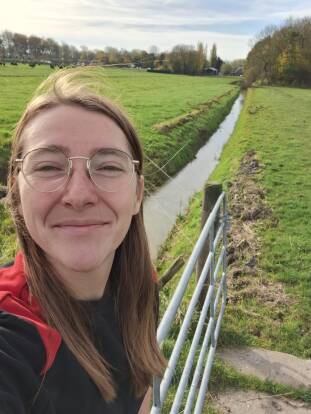
Eline De Lorenzo
Alternatives & Regenerative
Agriculture Specialist
Lely International
+

Oswin Kerkhof
Lead Developer
Sensor Systems
Lely International
+

Vinicius Cunha
Farm Management Support Advisor
Lely Latin America
+
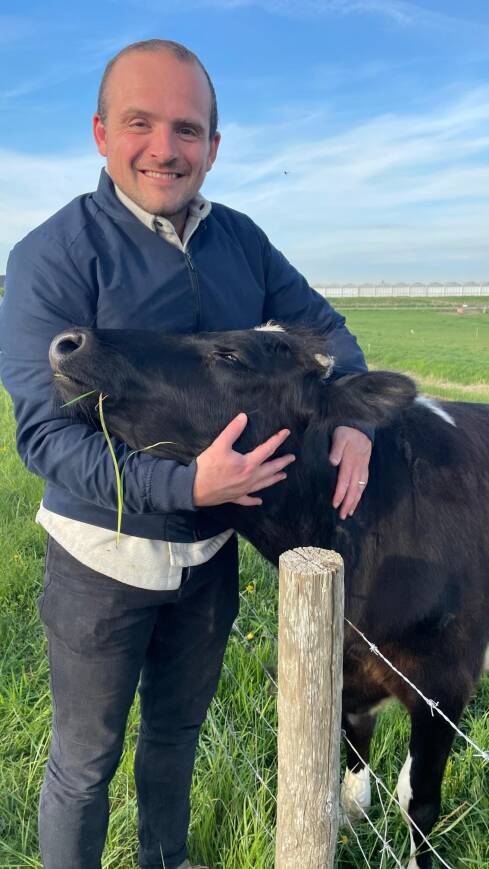
Neal van der Laan
Marketing Specialist,
Business Team Next
Lely International
Measuring biodiversity should be as normal
as measuring milk production.

Four colleagues – with their own vision, background and perspective – react to one statement.


4 ON 1

Measuring biodiversity should be as normal
as measuring milk production.


What’s your opinion and why?
Neal: 'On a system level, this statement supports the shift towards future-proof farming. It reflects a transition for many farmers from prioritising milk yield today to focusing on long-term resilience, including healthy soils, diverse grasslands and ecosystems that remain productive over time.
Making biodiversity as standard a metric as milk production helps translate this long-term vision into something tangible that can be planned and acted upon at farm level. It can guide decision-making in a way that not only improves output, but also strengthens the future resilience of the farming system.
At the same time, biodiversity is more complex to measure in a practical and consistent way. This can create additional challenges for farmers who are already managing many variables and may lead to uncertainty or concern.
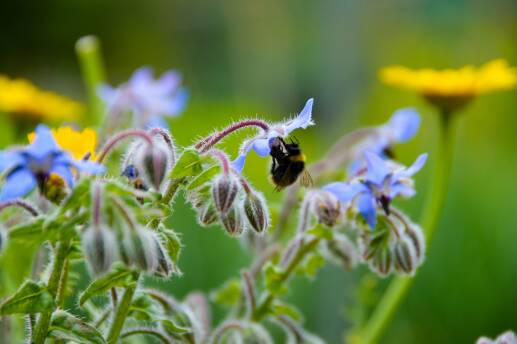
In this context, solutions such as Lely Exos support a way of working that aligns productivity with ecological balance. By enabling fresh grass utilisation and more flexible field management, Exos creates better conditions for biodiversity to develop, including habitats for meadow birds that depend on timing, rest and variation in the field.
With the right tools, integrating biodiversity into daily performance metrics means farmers do not have to choose between production and nature, but can actively build a system in which both reinforce each other over time.'

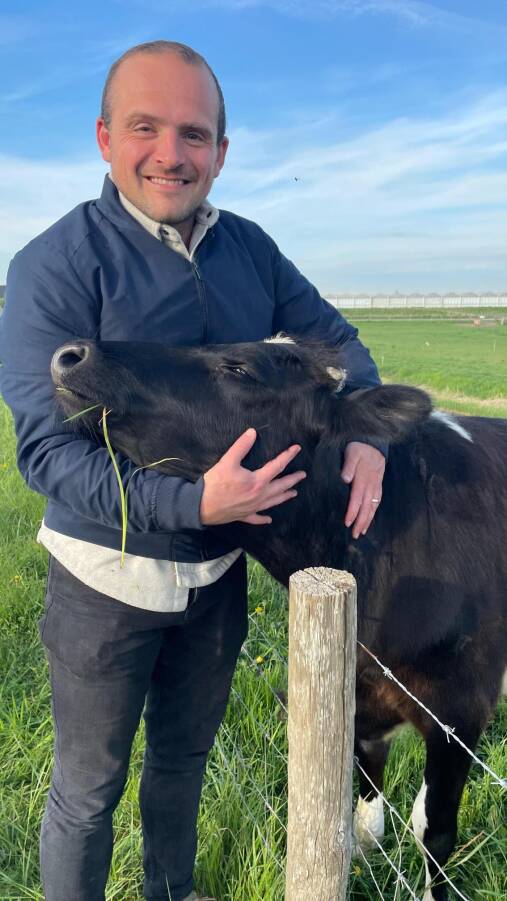
What’s your opinion and why?
Vinicius: 'Environmental health is not separate from productivity; it’s part of a successful and sustainable production system. Measuring biodiversity can help farmers better understand soil health, ecosystem balance, water quality and the long-term resilience of their farm.
I agree with the statement that what gets measured becomes a priority. Dairy farmers already track milk production, reproduction and feed efficiency to improve performance. In the same way, monitoring biodiversity can support better environmental practices and strengthen sustainable farming. Healthy ecosystems can also benefit animal welfare, pasture quality and long-term farm stability.
That said, biodiversity is much harder to measure than milk production. There is still a need for practical, affordable and standardised indicators that farmers can easily use. Even so, integrating biodiversity into daily farm management is an important step towards the future of agriculture.'

What’s your opinion and why?
Oswin: 'On a system level, I agree with the statement. The challenge is to make it a logical and attractive choice on the individual farm level. Biodiversity is closely linked to system stability, contributing to resilience against drought, disease and unpredictable yields. This means soil health and biodiversity can develop into practical management tools rather than moral obligations imposed from outside the farm.
For this to happen, three conditions are key. First, measurement must be low‑friction: automated, affordable and well integrated into existing farm systems. Second, indicators need to be actionable and clearly linked to daily decisions; without that, they risk becoming another box to tick. Third, biodiversity must be economically relevant, with clear links to costs, revenue or risk – through market incentives or policy frameworks.
Lely can play an important role, especially by enabling integrated solutions and turning data into actionable insights for farmers.'

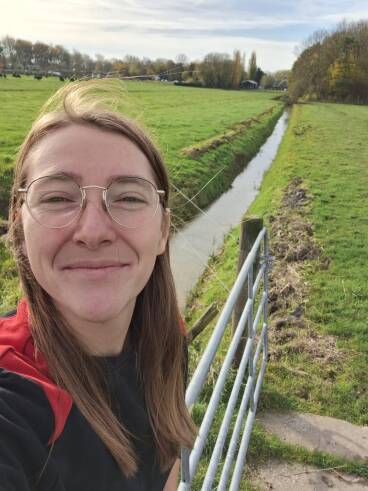
Eline De Lorenzo
Alternatives & Regenerative
Agriculture Specialist
Lely International
What’s your opinion and why?
Eline: 'Biodiversity and microbiodiversity in both fields and manure are essential for healthy crops and, ultimately, healthy cows. When biodiversity increases, it creates a more balanced and resilient farming system. This balance reduces the risk of weeds or pest insects taking over, limiting the dominance of any single species.
As a result, fewer crop protection products are needed. That matters, because these products can end up in animal feed and negatively affect cow health and the quality of manure. When that manure is returned to the land, an unbalanced system can reinforce a negative cycle.
Measuring biodiversity is more complex than measuring milk production. It requires multiple indicators and, in some cases, time‑consuming analysis. However, if biodiversity measurement became common practice, methods would naturally develop further and become more practical and efficient over time.
For that reason, measuring biodiversity should become just as normal and standard as measuring milk production.'
Four colleagues – with their own vision, background and perspective – react to one statement.
4 ON 1