FUTURE FARM

Lely and regenerative farming


Overcoming challenges together
Transitioning to sustainable systems isn’t without challenges. Farmers face financial risks, regulatory hurdles, and uncertainty about long-term results. ‘That’s why collaboration is key,’ Julia adds. ‘Farmers learn best from each other. Through pilot farms, expert sessions, and knowledge-sharing events, we give them the tools and confidence to try new approaches.’
Ultimately, Julia concludes, ‘The future farm isn’t just efficient - it is resilient, productive, and restorative. It’s about restoring the balance between people, animals, and the planet we all share.’
From ideas to action
Turning ideas into action is what makes the approach tangible. In 2021, Arla launched a regenerative pilot farm network of 24 farms. These farms test new ways of working with nature, such as multi-species crops, reduced tillage, adaptive grazing, and each farm develops its own tailored regenerative plan that is about working with the local soil and climate. Data and insights collected are shared with other farmer-owners, whilethe lessons learned also contribute to wider initiatives, including the SAI Platform’s Regenerating Together Framework and the Future Fit Dairy Initiative (a collaboration with Friesland Campina, Danone, Rabobank and DSM).
Another way Arla brings its sustainability goals to life is through the cooperative’s FarmAhead Technology. The platform collects and verifies farm-level data, rewarding farmers for actions that improve soil, water, biodiversity, and climate through a points-based incentive model linked to milk price. ‘It allows us to scale change while supporting farmers financially,’ Julia explains.
Farming with the
whole system in mind
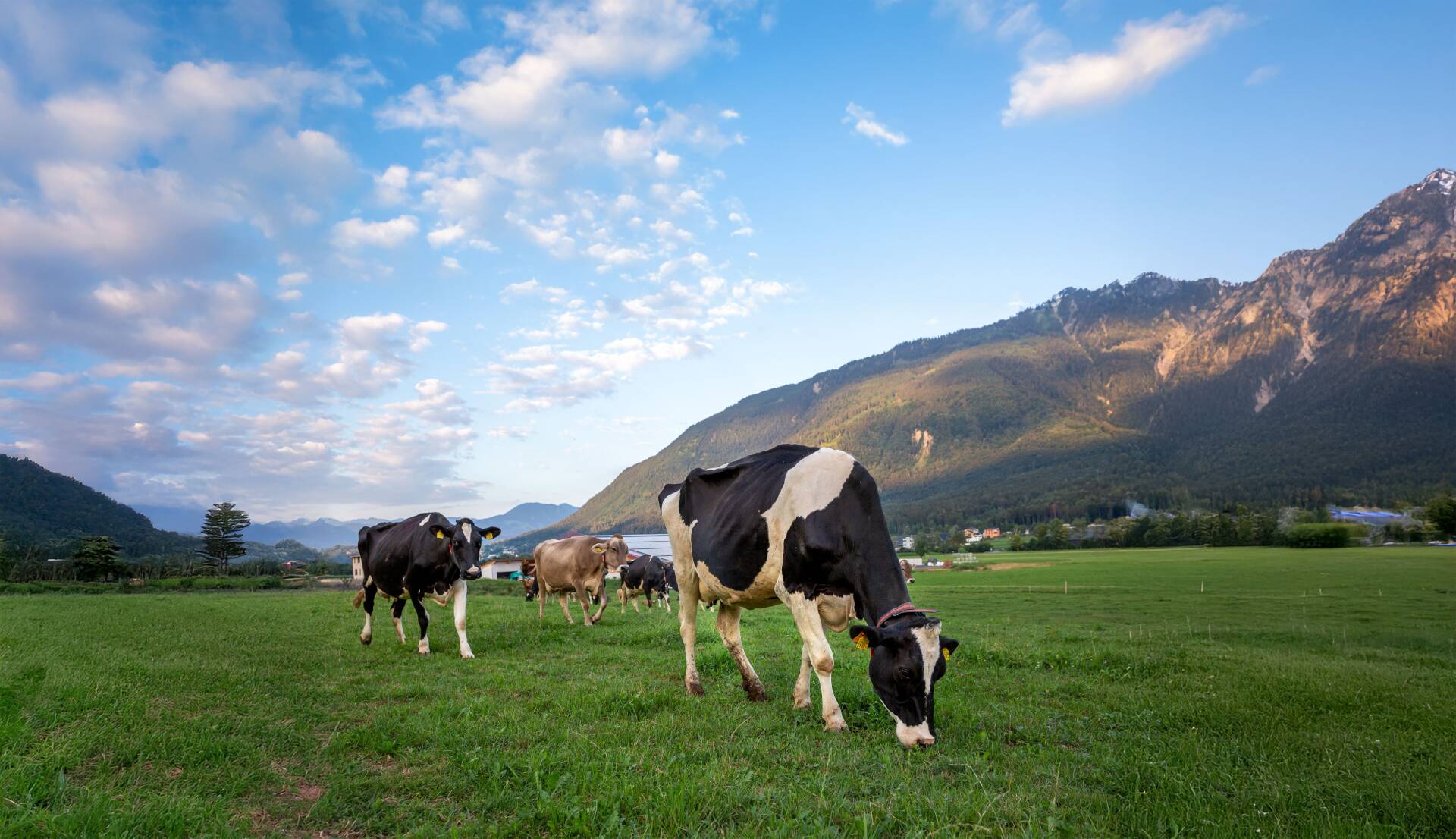
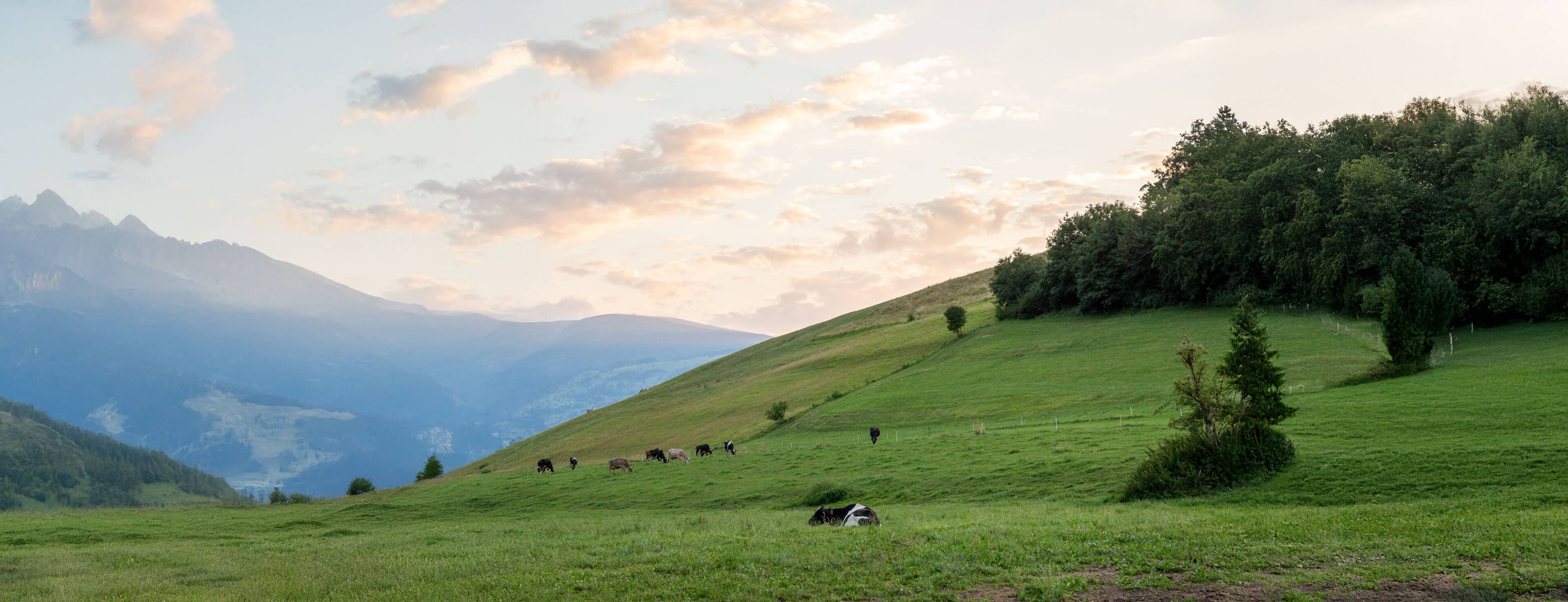
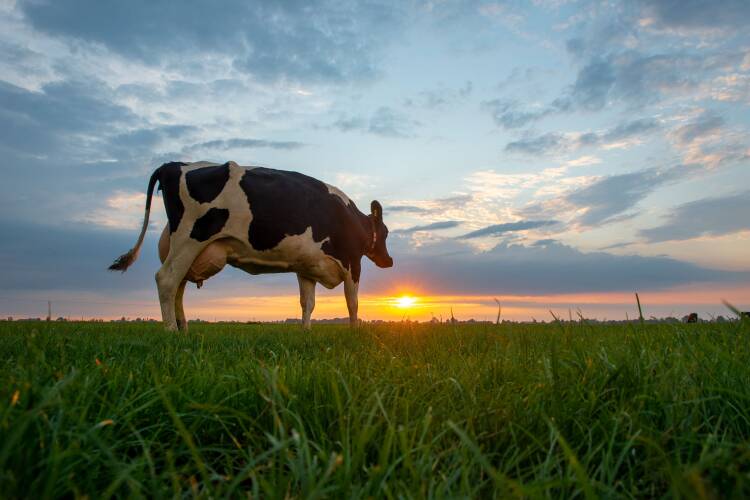
At Arla, the farm is seen as an interconnected system (also called: ‘regenerative farming’). This approach considers the whole farm: soil, water, animals, people, and the wider environment. ‘It’s about restoring balance over time,’ Julia says. ‘Better soil, water management, thriving habitats - all while reducing carbon and improving farmer prosperity will lead to more resilient farms, both environmentally and economically, for the future.’
That’s why we spoke with Julia Williams, Senior Sustainability Specialist at Arla Foods, to hear how one of Europe’s leading dairy companies encourage their farmers to be more future proof. A European cooperative owned by more than 7,600 farmers across seven countries, Arla’s vision for the future farm builds on long-standing cooperative experience, combining farmer-led innovation with data, science, and partnerships to create solutions that work in practice, not just on paper.
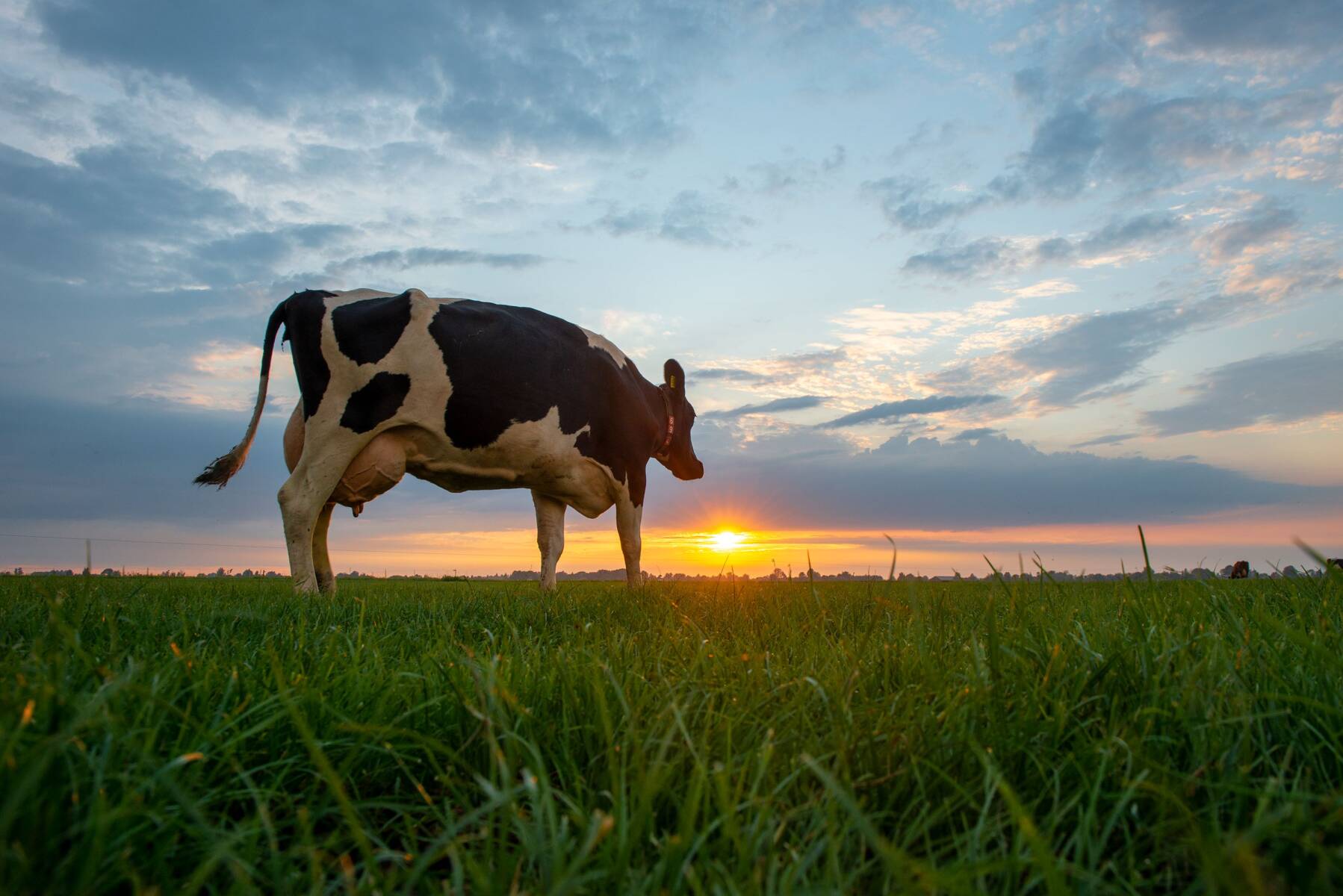
Julia sums up Arla’s sustainability approach with a simple mantra: ‘Stronger Planet, Stronger People’. She explains that Arla’s goal is to provide nutritious, affordable food while staying within planetary boundaries. But how can this be achieved in practice? According to Julia, the future of farming should care for nature as a whole by tackling climate change and biodiversity loss together.
Company facts
Global dairy company
Danish/Swedish multinational
co-operative based in DenmarkThe fifth-largest dairy company in the world
Largest producer of dairy products in Scandinavia and United Kingdom
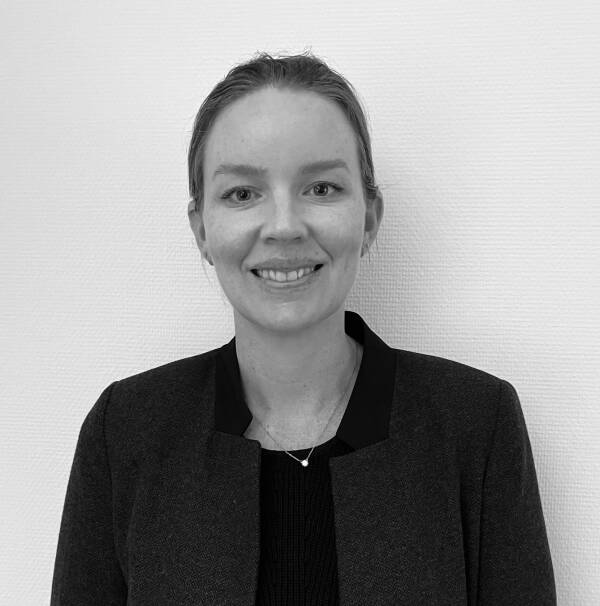
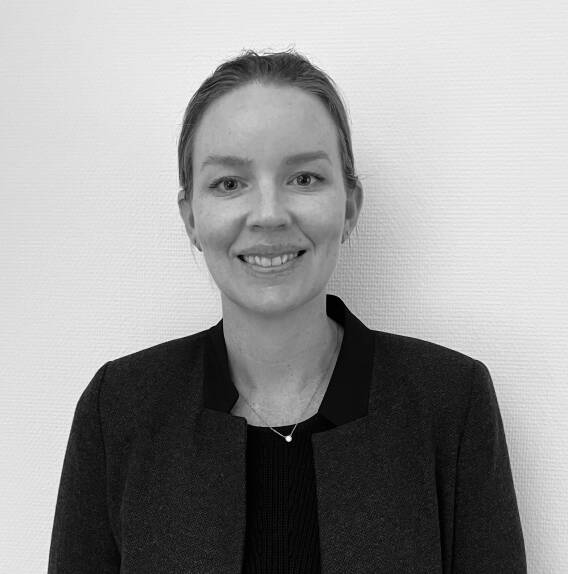
Julia Williams
Senior Sustainability Specialist at Arla Foods
What does the future farm look like? And how can we produce food without overloading the planet? We believe the best way to answer these questions is by listening to pioneers around the world.
The future farm, according to Arla
Lely and regenerative farming
Overcoming challenges together
Transitioning to sustainable systems isn’t without challenges. Farmers face financial risks, regulatory hurdles, and uncertainty about long-term results. ‘That’s why collaboration is key,’ Julia adds. ‘Farmers learn best from each other. Through pilot farms, expert sessions, and knowledge-sharing events, we give them the tools and confidence to try new approaches.’
Ultimately, Julia concludes, ‘The future farm isn’t just efficient - it is resilient, productive, and restorative. It’s about restoring the balance between people, animals, and the planet we all share.’
From ideas to action
Turning ideas into action is what makes the approach tangible. In 2021, Arla launched a regenerative pilot farm network of 24 farms. These farms test new ways of working with nature, such as multi-species crops, reduced tillage, adaptive grazing, and each farm develops its own tailored regenerative plan that is about working with the local soil and climate. Data and insights collected are shared with other farmer-owners, whilethe lessons learned also contribute to wider initiatives, including the SAI Platform’s Regenerating Together Framework and the Future Fit Dairy Initiative (a collaboration with Friesland Campina, Danone, Rabobank and DSM).
Another way Arla brings its sustainability goals to life is through the cooperative’s FarmAhead Technology. The platform collects and verifies farm-level data, rewarding farmers for actions that improve soil, water, biodiversity, and climate through a points-based incentive model linked to milk price. ‘It allows us to scale change while supporting farmers financially,’ Julia explains.
Company facts
Global dairy company
Danish/Swedish multinational
co-operative based in DenmarkThe fifth-largest dairy company in the world
Largest producer of dairy products in Scandinavia and United Kingdom
Farming with the
whole system in mind
At Arla, the farm is seen as an interconnected system (also called: ‘regenerative farming’). This approach considers the whole farm: soil, water, animals, people, and the wider environment. ‘It’s about restoring balance over time,’ Julia says. ‘Better soil, water management, thriving habitats - all while reducing carbon and improving farmer prosperity will lead to more resilient farms, both environmentally and economically, for the future.’
That’s why we spoke with Julia Williams, Senior Sustainability Specialist at Arla Foods, to hear how one of Europe’s leading dairy companies encourage their farmers to be more future proof. A European cooperative owned by more than 7,600 farmers across seven countries, Arla’s vision for the future farm builds on long-standing cooperative experience, combining farmer-led innovation with data, science, and partnerships to create solutions that work in practice, not just on paper.
Julia sums up Arla’s sustainability approach with a simple mantra: ‘Stronger Planet, Stronger People’. She explains that Arla’s goal is to provide nutritious, affordable food while staying within planetary boundaries. But how can this be achieved in practice? According to Julia, the future of farming should care for nature as a whole by tackling climate change and biodiversity loss together.
Julia Williams
Senior Sustainability Specialist at Arla Foods
What does the future farm look like? And how can we produce food without overloading the planet? We believe the best way to answer these questions is by listening to pioneers around the world.
The future farm, according to Arla
FUTURE FARM